Curtain Tiebacks and Holdbacks: Ultimate Guide
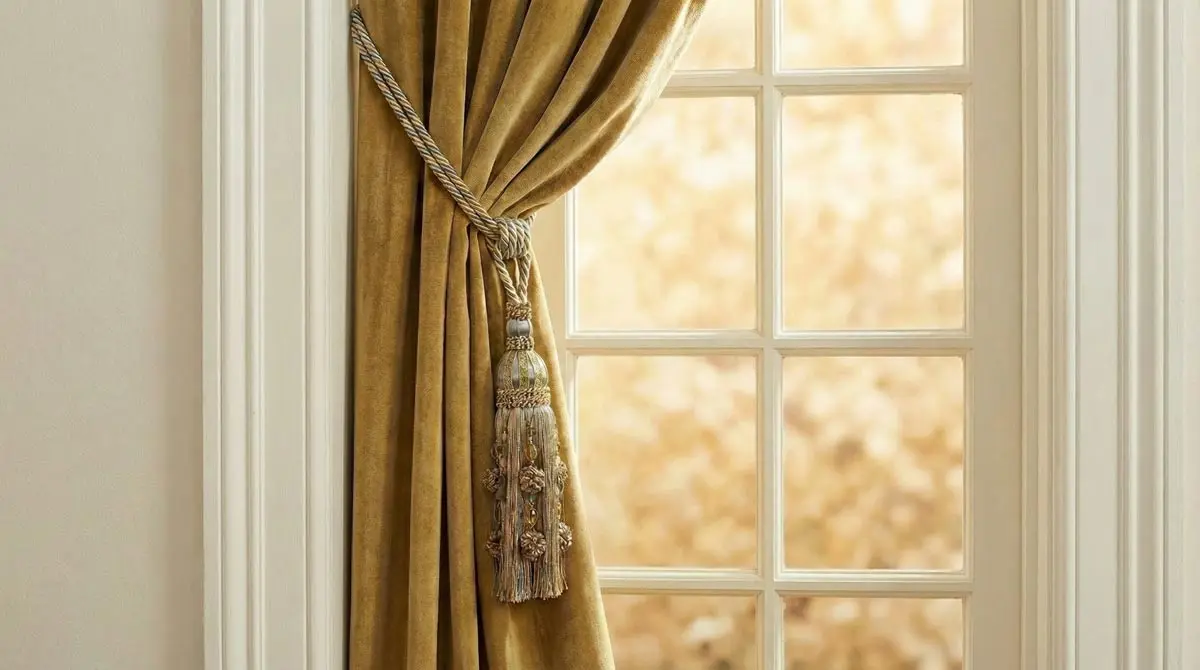
Curtain Tiebacks and Holdbacks: A Simple Guide for Bangkok Homes
Curtains are essential for blocking the hot Bangkok sun, but what do you do with them when you want to let the light in? This is where tiebacks and holdbacks come in.
At Cher Decor, we believe these accessories are like jewelry for your home. They don’t just hold your curtains open; they add style, personality, and functionality to your windows.
We sell many premium rope and tassel tiebacks. Whether you are renovating a condo or decorating a new house, this guide will help you choose the perfect accessories and determine when other options make sense.
Quick Choice Guide for Curtain Tieback & Holdback:
- If you want a luxurious, classic look, choose rope-and-tassel tiebacks.
- If you cannot drill in a condo or rental, choose magnetic tiebacks.
- If you want a fast daily tuck-back, choose rigid holdbacks.
- If your curtains are thick, dimout, or blackout fabric, choose strong rope tiebacks or solid holdbacks.
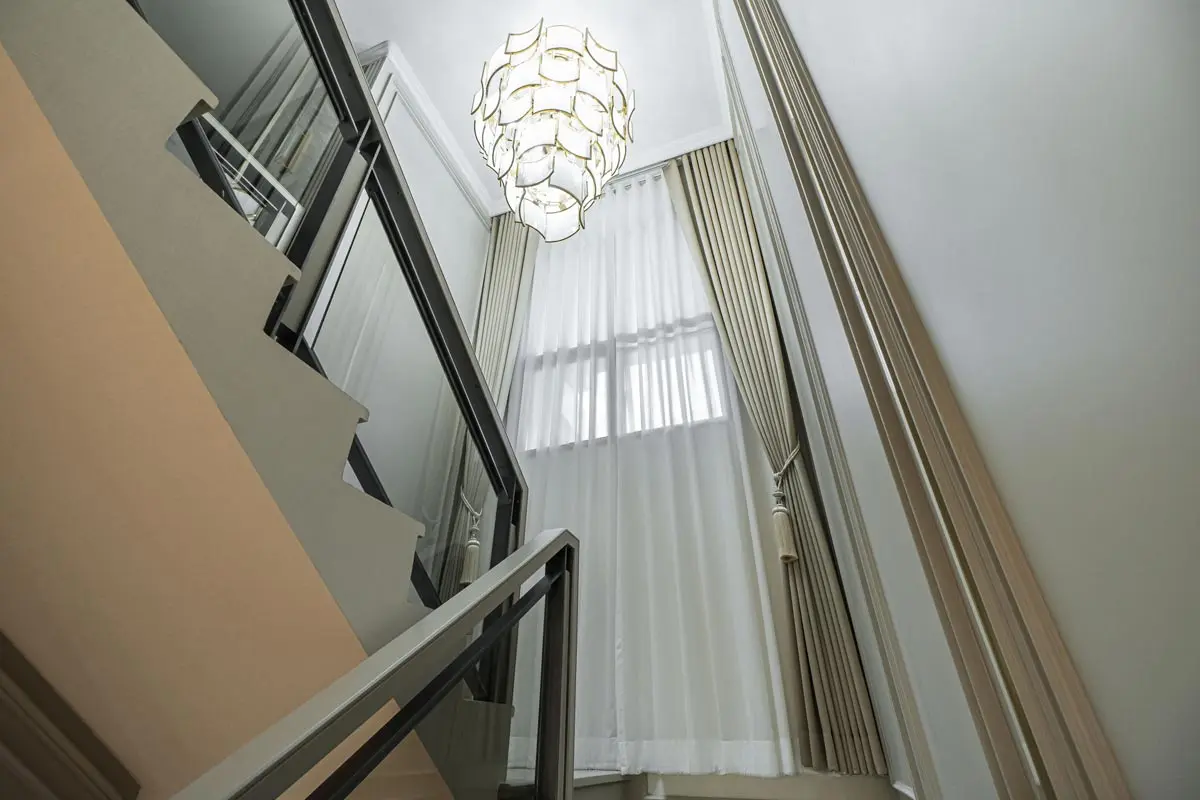
What are curtain tiebacks?
Curtain tiebacks are simple accessories that hold your curtains open. You wrap the tieback around the curtain panel and pull the fabric to the side, so more daylight can come in and the window looks more open.
Tiebacks also help your curtains look cleaner and more styled. Instead of curtains hanging straight all day, tiebacks create soft folds and a nice shape. This is especially helpful in Bangkok homes where you may open curtains during the day for light, then close them again later for privacy and heat control.
Different Types of Tieback:
-
Soft Tiebacks
- Soft tiebacks wrap around the curtain. They are easy to use and easy to change later.
-
Fabric Tiebacks
- These are often made from the same fabric as the curtains. They create a clean, matching look.
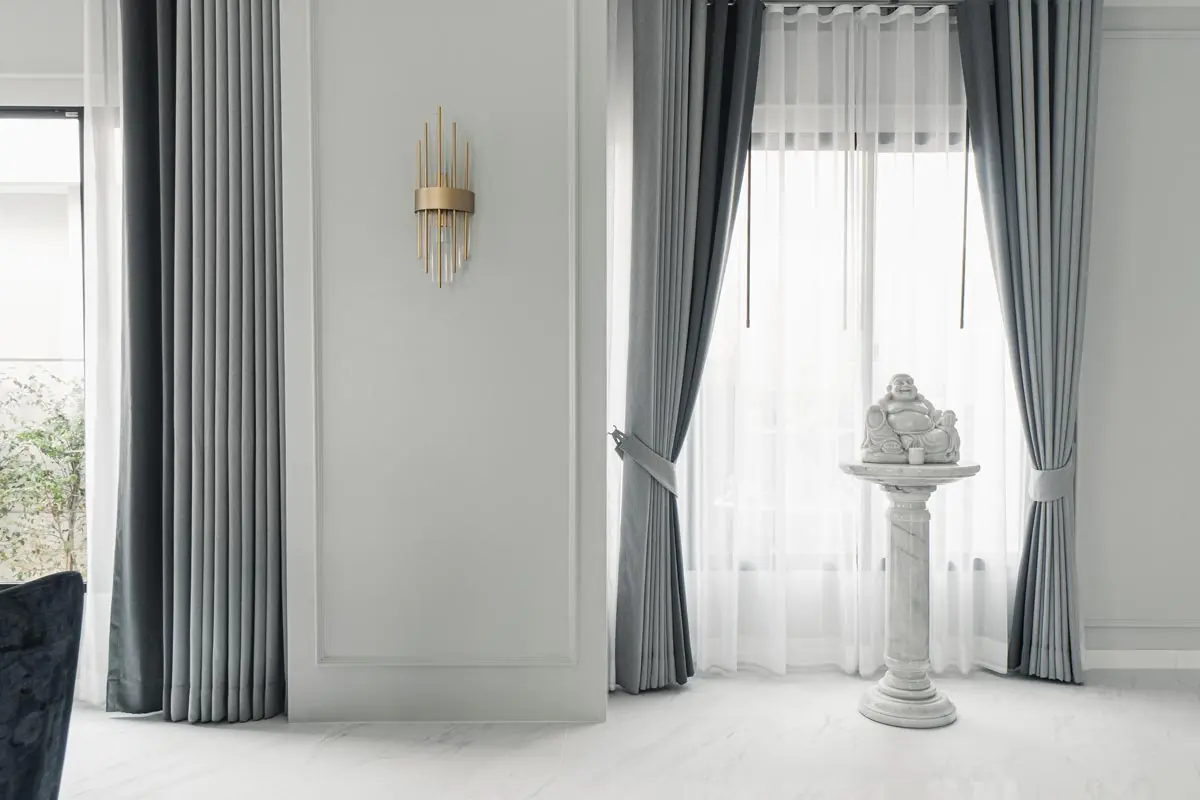
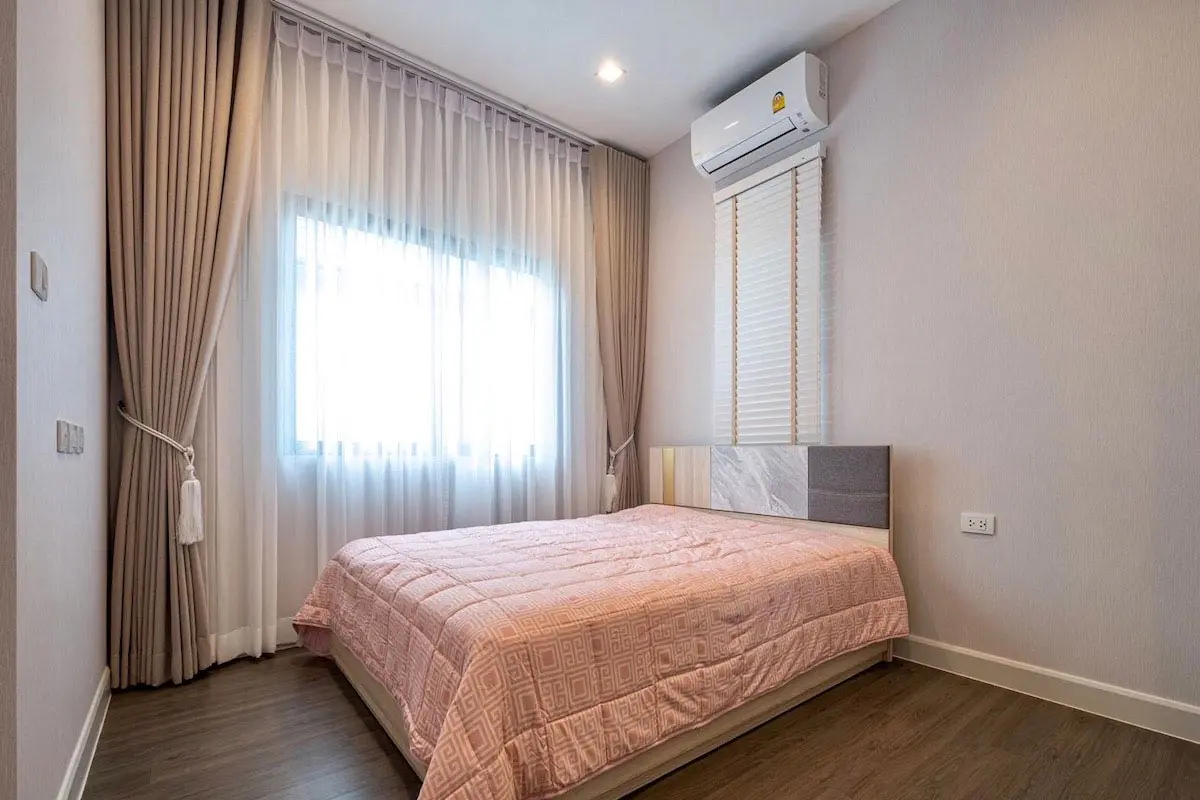
From our Curtain Design & Installation Project at "Laddarom New Ratchaphruek"
-
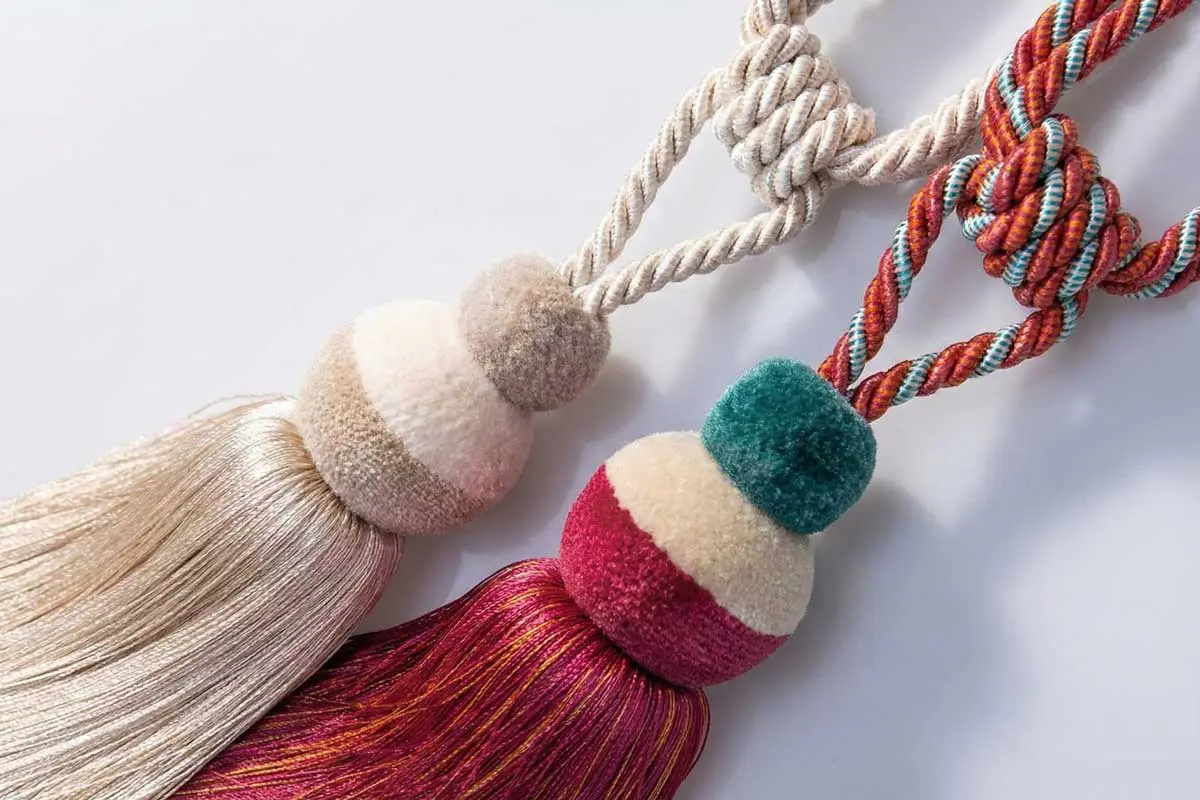
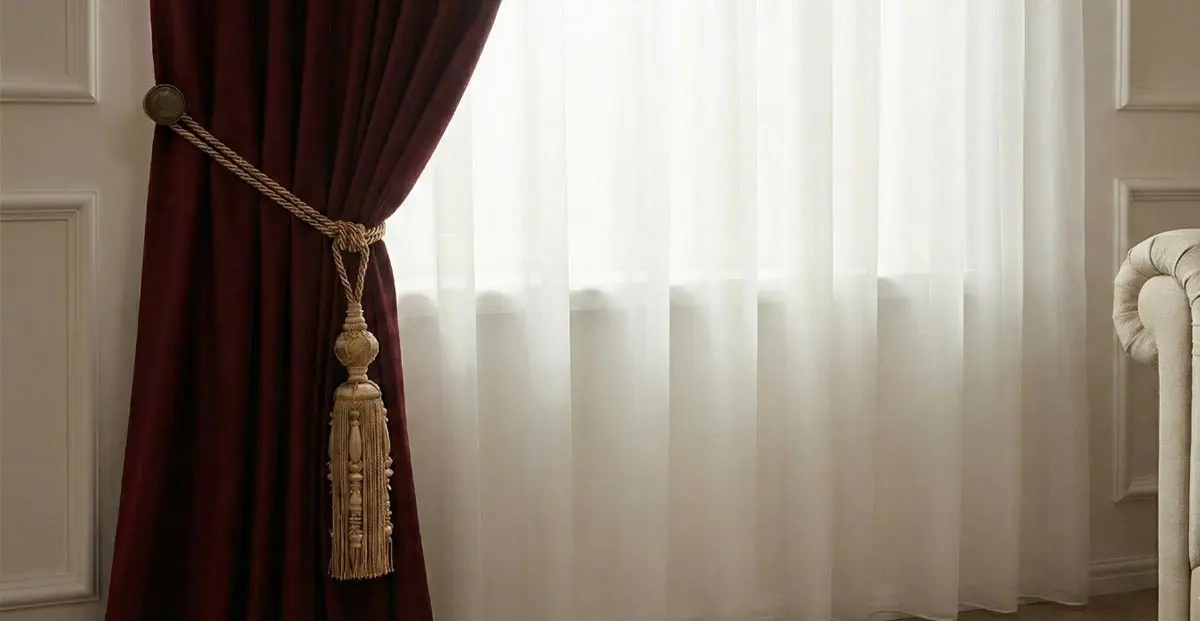
Rope and Tassel Tiebacks
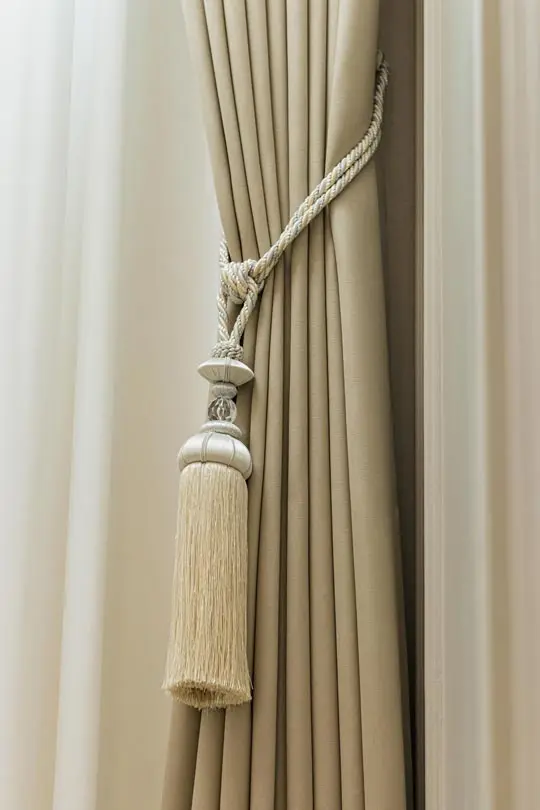
- This is one of the best choices if you want a premium finish. The braided rope creates a nice curve in the curtain, and the tassel adds detail without making the window look busy. This style works very well in living rooms, bedrooms, and formal spaces. It also matches nicely with thick dimout and blackout curtains. If you want curtains to look more custom and high-end, rope-and-tassel tiebacks are a simple upgrade.
-
Magnetic Tiebacks
- These are a great choice for condos because there is no drilling. They are quick to use and keep curtains tidy for daily light control.
-
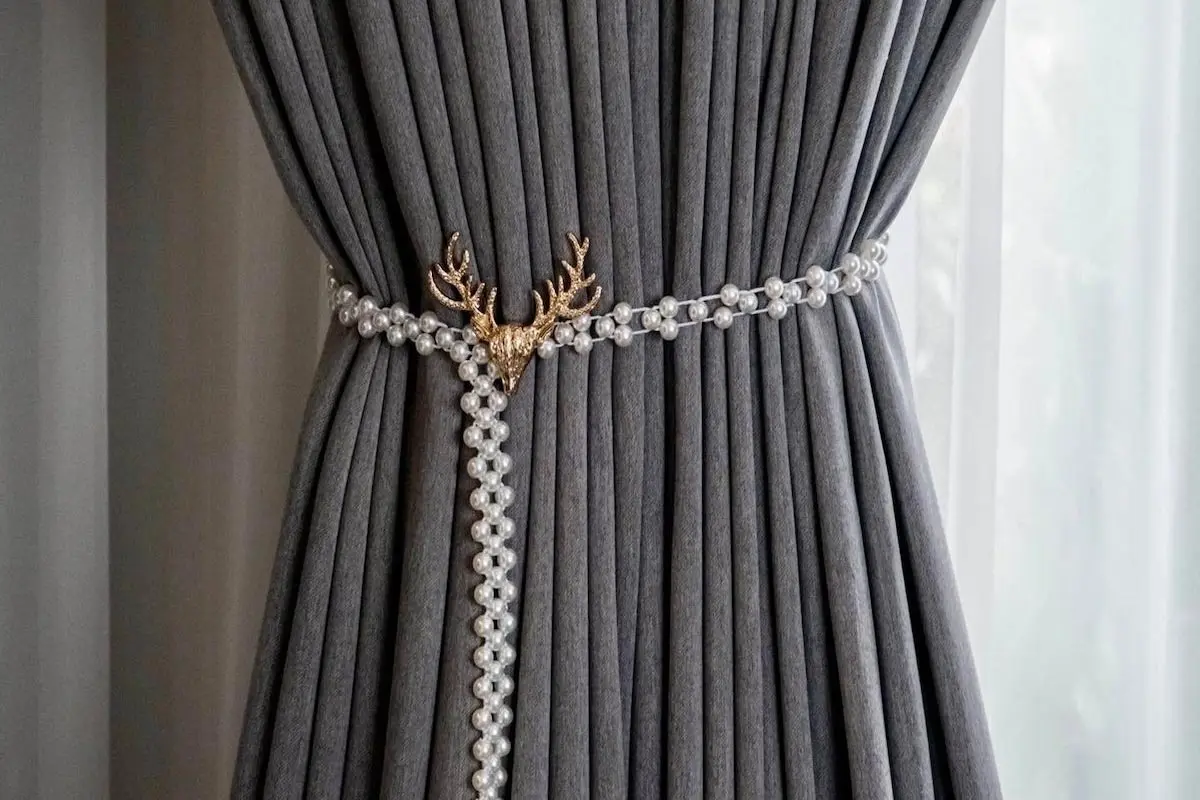
Macrame and Beaded Tiebacks
- These add texture and decorative detail. They are popular for casual and creative styles.
What are Curtain Holdbacks?
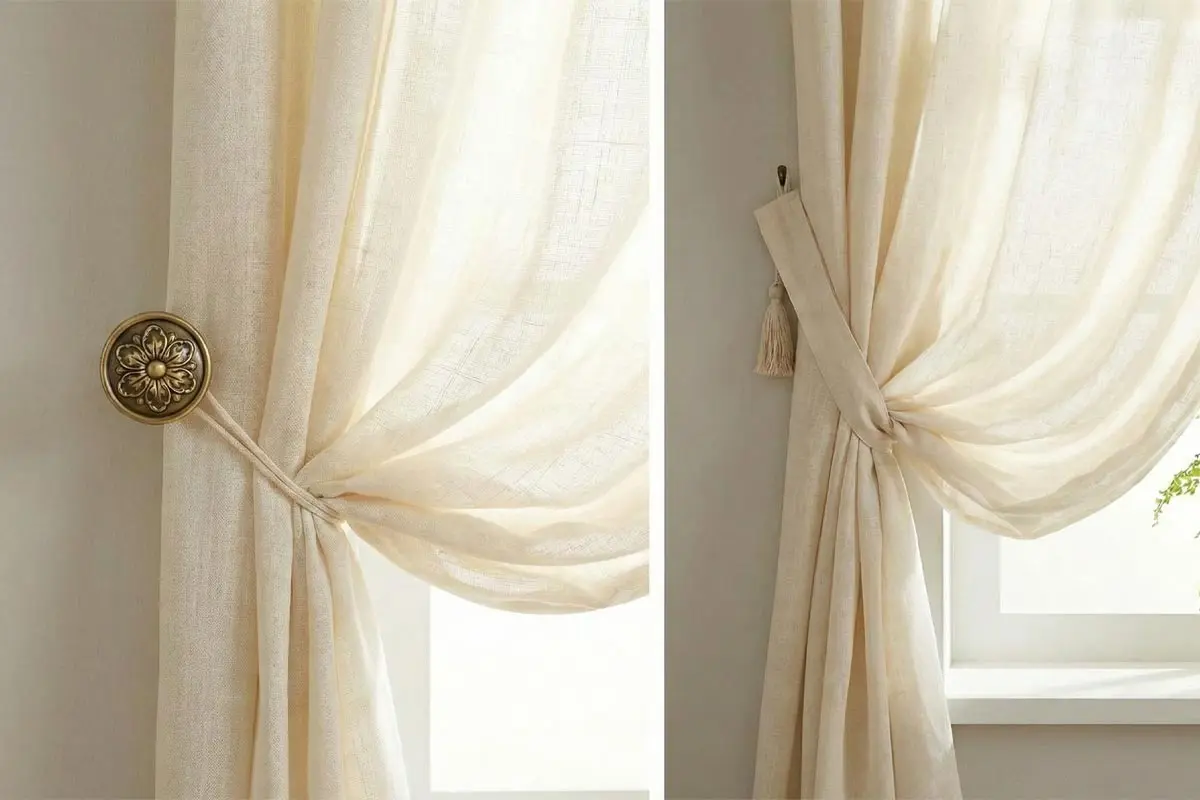
Curtain holdbacks are hard accessories that keep curtains open. Unlike tiebacks (which wrap around the fabric), holdbacks are usually fixed to the wall, and the curtain sits behind them.
They are popular because they are quick and easy to use daily. You simply pull the curtain to the side and tuck it behind the holdback. This helps bring in more daylight, keeps the curtain away from the window, and makes the room feel more open.
Holdbacks are commonly made from metal or wood, and they can be simple and modern or more decorative. They work well for heavier curtains too, but they usually need drilling for installation, which may not be ideal for some Bangkok condos or rental homes.
Different Types of Curtain Holdbacks
-
U-shaped Metal Holdbacks
- Modern and easy. You sweep the curtain behind the arm.
-
Knob and Peg Styles
- The curtain drapes over the knob, so the look is softer.
-
Decorative Holdbacks
- These come in many shapes and finishes to match your interior.
-
Wooden Holdbacks
- Warm and natural. Often used in minimalist rooms.
-
Drapery Buttons and Tie Points
- These are mostly decorative. They pinch or shape the curtain slightly. They are better for light fabrics and styling, not for holding heavy curtains open.
Where to Put Curtain Tiebacks and Holdbacks?
Where you place a tieback or holdback changes how your curtains look and how much daylight comes into the room. Good placement also helps the fabric keep a clean shape, so it looks neat and smooth over time.
Height Guidelines
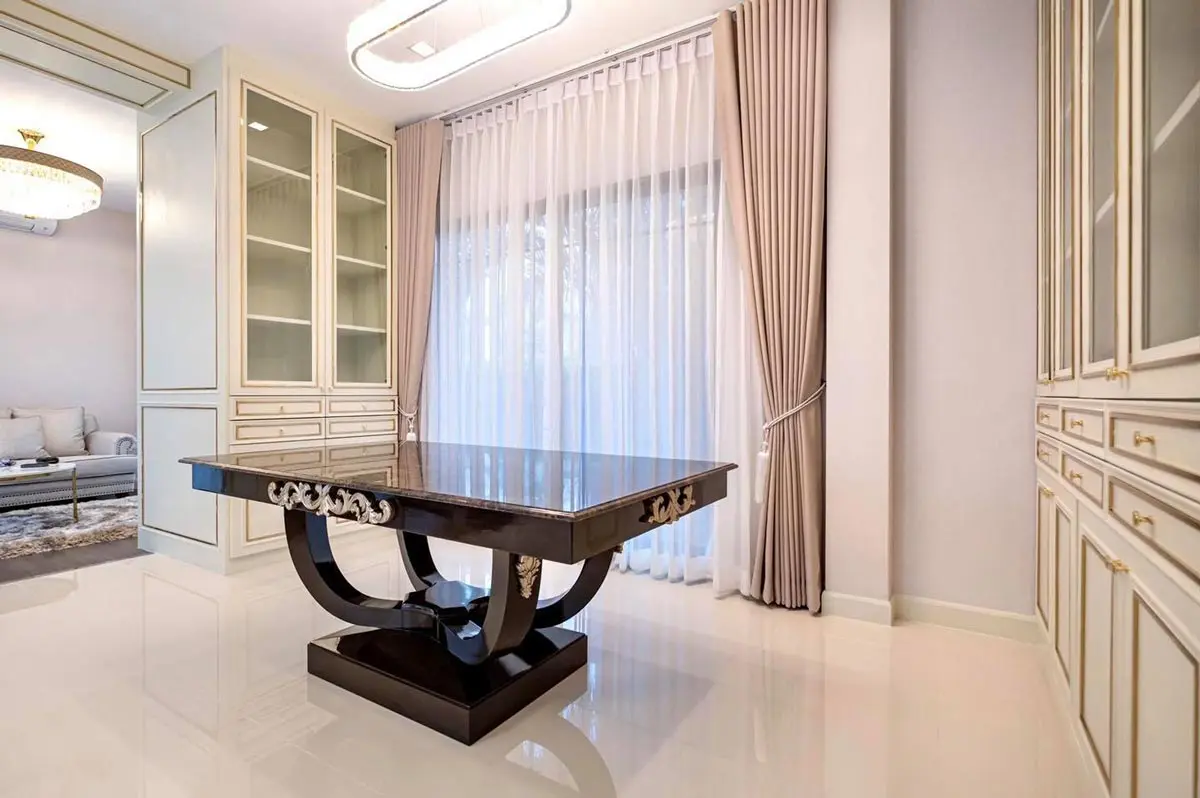
One-third up from the floor. This is the most common placement for floor-length curtains and usually looks balanced.
- Middle placement. This makes the curtain look fuller, but it can visually split the window height.
- Low placement. This creates a deeper curve at the top and makes it look more romantic.
- High placement. This can make the window look taller and more formal.
Width and Distance
- Place the tie point slightly past the window frame. This pulls the fabric away from the glass, allowing more light through.
- Leave space for lining thickness. Blackout curtains are thicker, so do not crush the fabric.
- Test first. Use painter’s tape to mark both sides, then step back and check if it looks even.
Bangkok Wall Tip
Many Bangkok condos and homes have pre-cast concrete walls or lightweight block walls. Regular drywall screws will not hold well in these walls. If you want to install rigid holdbacks, you need a hammer drill and the correct wall plugs made for concrete or block walls. Renters should be careful because drilling is loud and permanent. If you cannot get permission from your landlord, magnetic tiebacks are the safest choice. They do not require drilling and can help you avoid deposit problems.

How to Choose the Right Tieback
Fabric Weight
- Sheers and light linen fabric: Fabric tiebacks, slim ropes, or magnetic tiebacks keep the look soft and not bulky.
- Dimout and blackout curtains: Strong rope tiebacks are excellent here. They hold the folds nicely and still look decorative. For very heavy curtains, rigid holdbacks can also work well.
Daily Use
- For maximum daylight. Tiebacks gather more fabric and open the window more.
- For quick use. Holdbacks are fast because you tuck the curtain behind the arm.
- For fabric care. Rope tiebacks can be gentle on folds when you do not pull them too tight.
Style Matching for Bangkok Condos
In Bangkok, many modern condos follow Japandi or Modern Luxury styles. Because of that, these colors are very popular for tiebacks: earth tones, beige, sand, warm brown, and taupe, plus minimalist grey, light grey, charcoal, and greige. Gold and champagne are also popular, especially if your room has warm lighting or brass details. A simple rule is to match the tieback to your curtain color for a clean look, or choose a slightly darker tone for more contrast.
If you want to learn more about curtain finishing details that change the final look, read our article: Curtains: Trims, Tapes, Hems, and Bands Explained.
Special Use Cases for Curtain Tieback or Holdback
Sliding Glass Doors
For high-traffic areas, soft tiebacks and magnetic tiebacks are often safer because they sit close to the curtain and do not stick out.
Patio and French Doors
Choose a tieback that holds the curtain securely so fabric does not swing into the door. Rope tiebacks work well because you can tighten or loosen the wrap depending on the day.
Eyelet Curtains
Eyelet curtains naturally form neat waves. Many people prefer rigid holdbacks to keep the folds uniform. Rope tiebacks can still work, especially if the rope has good grip and you wrap it around the thickest part of the folds so it stays in place.
Frequently Asked Questions
1- What is the main difference between a tieback and a holdback?
A tieback is soft and wraps around the curtain. A holdback is hard hardware fixed to the wall, and the curtain rests behind it. In some cases, you can use both together. For example, you may install a curtain holdback on the wall and still tie the curtain using a rope-and-tassel tieback for a more decorative look.
2- I live in a condo and cannot drill holes. What should I use?
Magnetic tiebacks are a simple option because they do not require drilling and are easy for daily use. For a more decorative look, you can also use rope-and-tassel tiebacks without drilling. Simply pull your curtains to the side and tie them neatly with the rope-and-tassel tieback.
3- How high should I install my tieback?
One-third up from the floor is the most common placement for floor-length curtains. It usually looks balanced in most rooms.
4- Do rope and tassel tiebacks work with blackout curtains?
Yes. A strong braided rope tieback works very well with dimout and blackout curtains and gives a premium look at the same time.
5- How many tiebacks do I need for one window?
Most windows use two tiebacks, one on each side. Very wide windows with multiple panels may need more, depending on your styling.
6- How do I keep tassel tiebacks looking clean?
Dust them lightly and avoid dragging them on rough surfaces. Keeping curtains tied up during the day can also help keep the lower fabric cleaner.
Ready to Upgrade Your Curtains in Bangkok
If you want a classic, premium finish, rope-and-tassel tiebacks are one of the best small upgrades you can make. If you are also planning new window coverings, Cher Decor can design, sew, and install custom curtains, and we can also provide custom-made blinds and tailored shades for condos, houses, and offices across Bangkok.
If you’re in Thailand, you can purchase tiebacks through our Shopee curtain tieback store. We regularly update our collection, making it easy to find the right color and style for your curtains. If you’re outside Thailand, feel free to contact us directly. We also supply tiebacks wholesale to curtain shops across Thailand.


